A gaze that precedes any degree
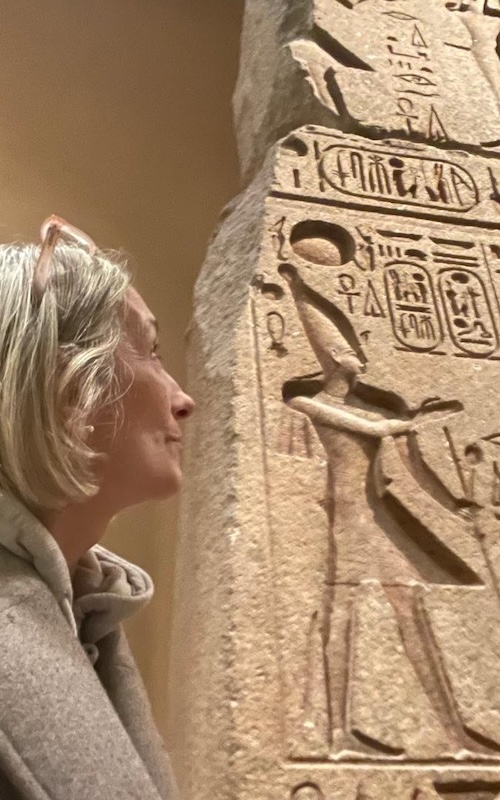
My first steps in fine arts at Prilidiano Pueyrredón and in design at the University of Buenos Aires never settled into a degree: they reinforced a way of observing, born with me, that recognizes no hierarchies.
Beauty does not need to be perfect to stop my gaze. It can be a work that has come down through the centuries, a sky turning violet before nightfall; orange trees in bloom in Córdoba, Andalusia, or a small plant that, rather boldly, found a crack in a wall and decided to grow there.
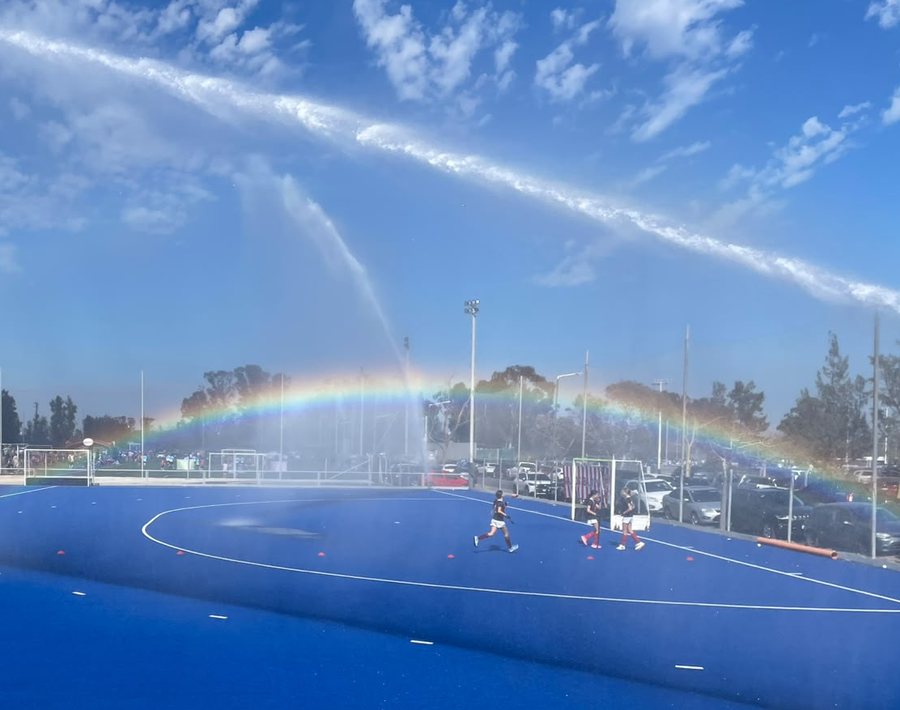
It can also be a table set with care, a well-thought-out dress, a piece of jewelry that shines too much; and just as much the sun warming my skin while I watch my daughter play field hockey, the scent of jasmine that still takes me back to my grandmother Chichi’s house, or a romantic fantasy novel, read without guilt over an entire Sunday.
It is the same gaze that stops, again and again, before whatever life places in front of it.
My first steps in fine arts at Prilidiano Pueyrredón and in design at the University of Buenos Aires never settled into a degree: they reinforced a way of observing, born with me, that recognizes no hierarchies.

Beauty does not need to be perfect to stop my gaze. It can be a work that has come down through the centuries, a sky turning violet before nightfall; orange trees in bloom in Córdoba, Andalusia, or a small plant that, rather boldly, found a crack in a wall and decided to grow there.

It can also be a table set with care, a well-thought-out dress, a piece of jewelry that shines too much; and just as much the sun warming my skin while I watch my daughter play field hockey, the scent of jasmine that still takes me back to my grandmother Chichi’s house, or a romantic fantasy novel, read without guilt over an entire Sunday.

Es la misma mirada que se detiene, una y otra vez, ante lo que la vida pone delante.

Difference as a mirror
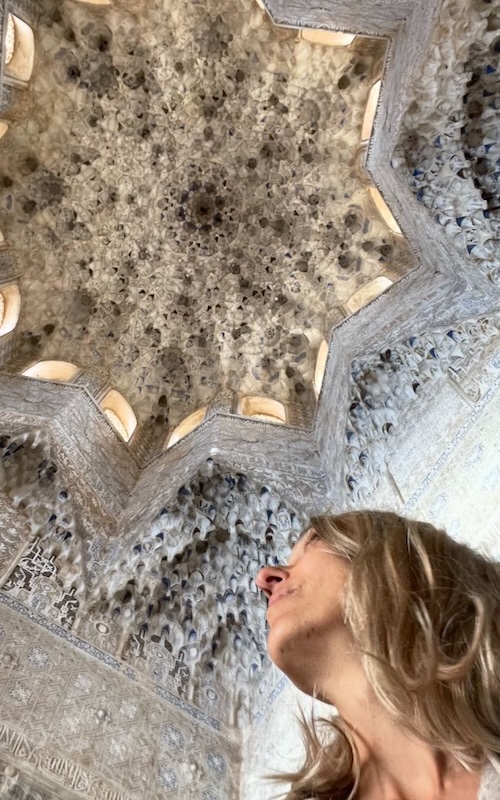
Perhaps that is why travel has always been an important part of my life, and I have been fortunate to do a great deal of it, for pleasure and for work.
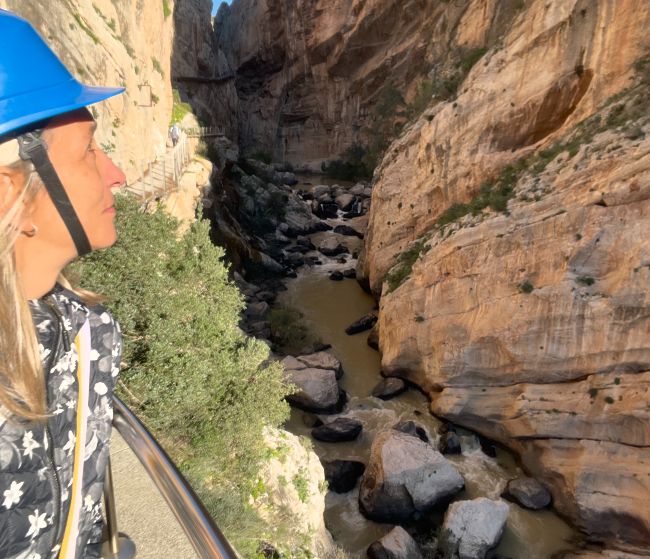
I like arriving in places I do not know, walking and letting the surroundings lead me, stepping into churches, museums, and markets, tasting other foods, hearing other languages, meeting different ways of organizing a life.
For some reason, that contact with another culture widens my gaze and, paradoxically, returns me to myself—less a change than a confirmation of who I am.
Perhaps that is why travel has always been an important part of my life, and I have been fortunate to do a great deal of it, for pleasure and for work. I like arriving in places I do not know, walking and letting the surroundings lead me, stepping into churches, museums, and markets, tasting other foods, hearing other languages, meeting different ways of organizing a life.

Por alguna razón, ese contacto con otra cultura amplía mi mirada y, paradójicamente, me devuelve a mí misma —no tanto un cambio como una confirmación de quién soy.

A postcard from another century
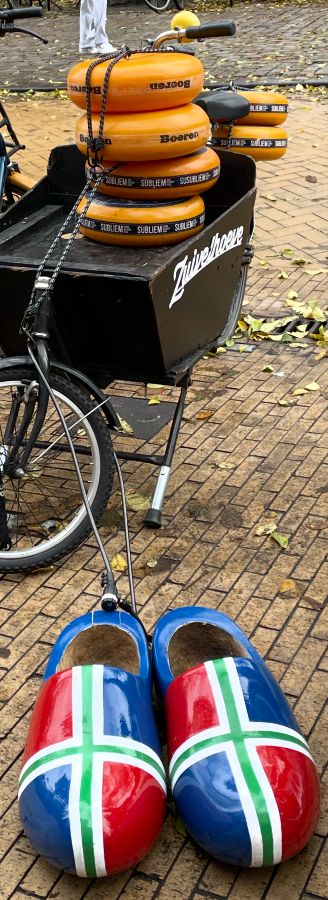
In 2024, with my undergraduate degree and my doctorate already behind me, I became a student again, this time thanks to an Erasmus Mundus scholarship that took me to Europe for a master’s degree. The first semester was in Groningen, in the Netherlands.
Few places have left such a clear and deep mark on me in so few months.
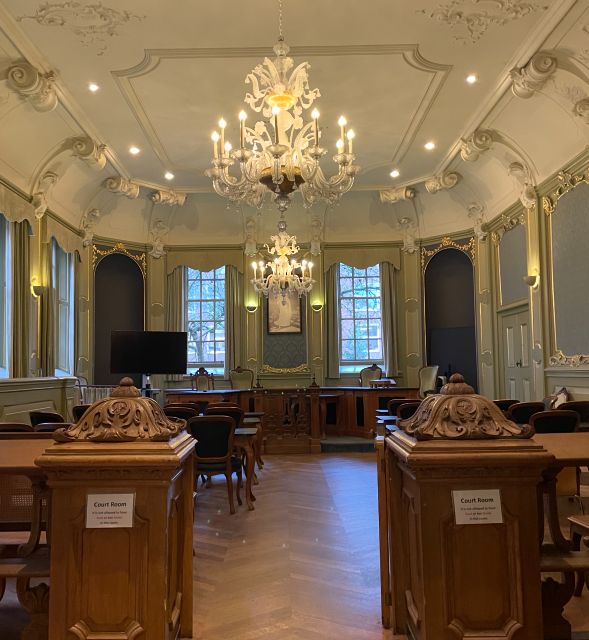
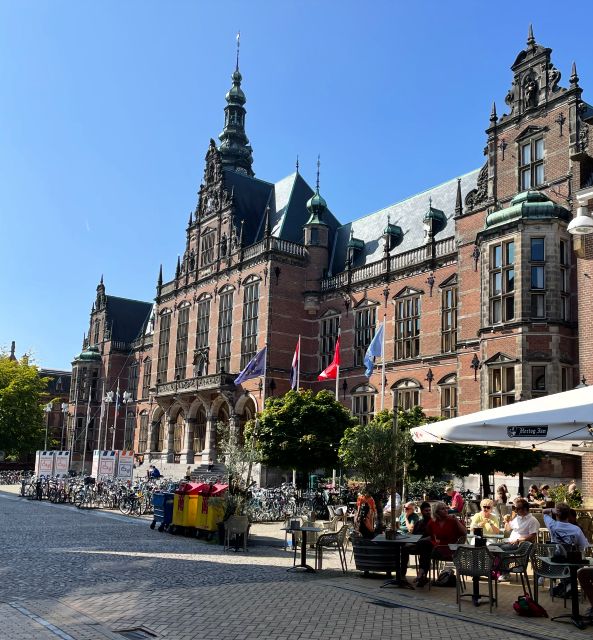
Groningen is a city open to the world and tremendously green, which I covered from end to end by bicycle, with canals where colorful boats float and a multitude of students who, against all logic, do not take the silence away from its streets. The University of Groningen is a postcard from another century, and the Faculty of Religion, in particular, has something initiatory that goes beyond its beauty: to step inside was to enter another time as well.
And in that atmosphere, knowledge revealed itself to me once again as what it has always been for me: a means, one of the paths of spiritual development that has served me best. This master’s program came at exactly the right moment in my life, and it left me something as enriching intellectually as in whatever lies beyond the intellect.
In 2024, with my undergraduate degree and my doctorate already behind me, I became a student again, this time thanks to an Erasmus Mundus scholarship that took me to Europe for a master’s degree. The first semester was in Groningen, in the Netherlands.

Few places have left such a clear and deep mark on me in so few months.
Groningen is a city open to the world and tremendously green, which I covered from end to end by bicycle, with canals where colorful boats float and a multitude of students who, against all logic, do not take the silence away from its streets.

The University of Groningen is a postcard from another century, and the Faculty of Religion, in particular, has something initiatory that goes beyond its beauty: to step inside was to enter another time as well.

And in that atmosphere, knowledge revealed itself to me once again as what it has always been for me: a means, one of the paths of spiritual development that has served me best. This master’s program came at exactly the right moment in my life, and it left me something as enriching intellectually as in whatever lies beyond the intellect.

Spiritual companions
The love of animals came first.
The decision not to eat meat, at nineteen, was in fact made by my body: one day it simply stopped tolerating it. There was no flag-waving and no ceremony, and I never needed to question it again.
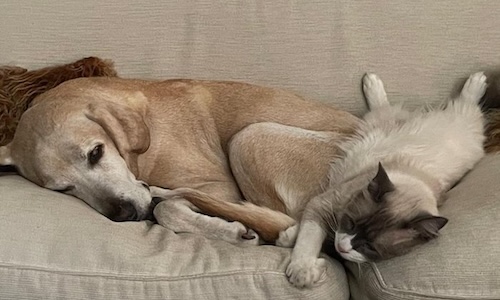
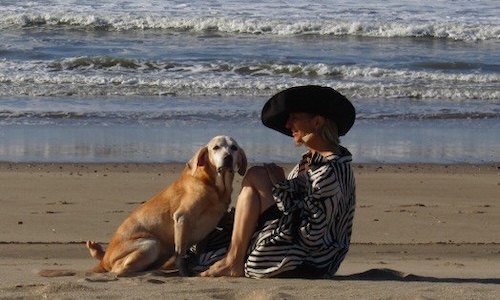
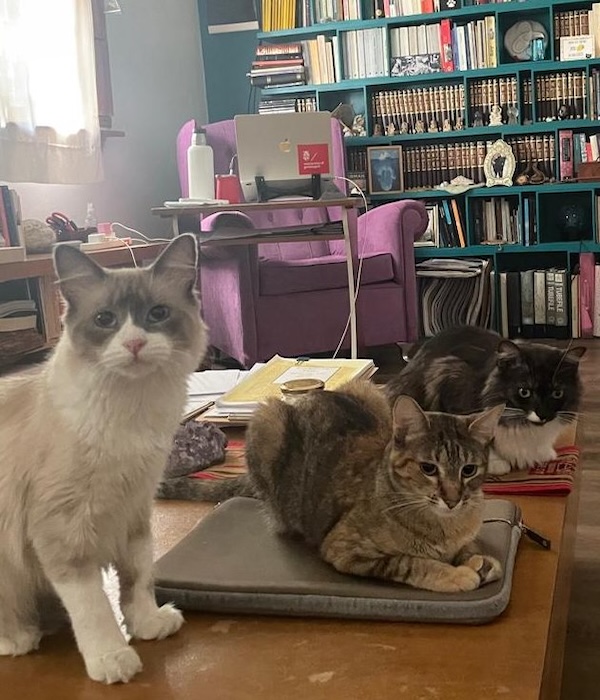
They are defenseless beings, and that certainty is also what led me to open the door of my home to them. Since then there have always been animals with me—mostly cats—and each one, in leaving, took a little of me with it. Today I share my home with Apolo, Juana, Agatha, and Rufina—three cats and a dog, each with a character of its own.
There is no need to say much more: anyone who lives with animals knows that they teach, too.
The love of animals came first. The decision not to eat meat, at nineteen, was in fact made by my body: one day it simply stopped tolerating it. There was no flag-waving and no ceremony, and I never needed to question it again.

They are defenseless beings, and that certainty is also what led me to open the door of my home to them.

Since then there have always been animals with me—mostly cats—and each one, in leaving, took a little of me with it. Today I share my home with Apolo, Juana, Agatha, and Rufina—three cats and a dog, each with a character of its own.

There is no need to say much more: anyone who lives with animals knows that they teach, too.

Different voices, the same question
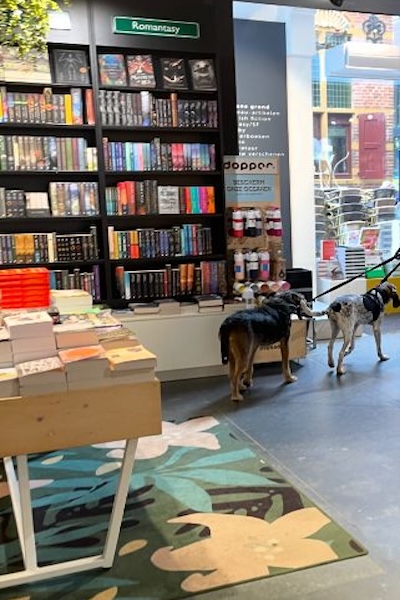
I like books, a great deal; long conversations, places with history; cooking and sharing a table, learning something I did not know; finding unexpected connections and keeping a certain space for mystery.
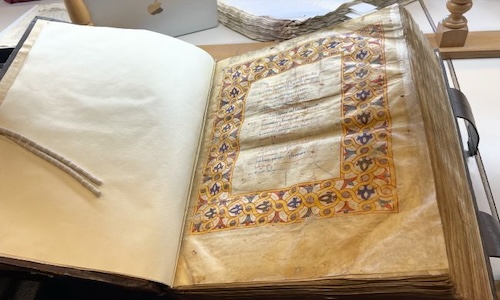
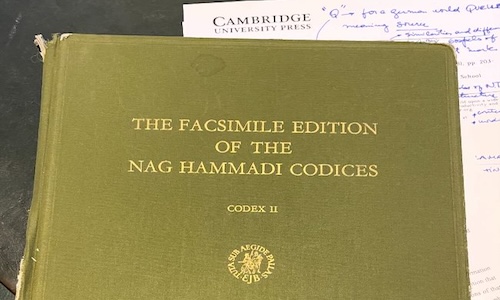
I can grow enthusiastic about a text written almost two thousand years ago and, shortly afterward, want to understand what is being discovered today about health—I do not experience that coexistence as a contradiction, but as what happens when a single question can be approached from different angles, each with its own validity, without either having to be reduced to the other.
And perhaps, over the years, I have also learned that depth need not be solemn: an inner life can be nourished by silence and reflection, but also by pleasure, humor, movement, love, and wonder. It is not a matter of choosing between the spiritual and the earthly, but of learning to inhabit it in a different way: to find the sacred there, too.
Transformation should not distance us from life and its pleasures—quite the contrary, it should help us enter ever more deeply into it.
I like books, a great deal; long conversations, places with history; cooking and sharing a table, learning something I did not know; finding unexpected connections and keeping a certain space for mystery.

I can grow enthusiastic about a text written almost two thousand years ago and, shortly afterward, want to understand what is being discovered today about health—I do not experience that coexistence as a contradiction, but as what happens when a single question can be approached from different angles, each with its own validity, without either having to be reduced to the other.

And perhaps, over the years, I have also learned that depth need not be solemn: an inner life can be nourished by silence and reflection, but also by pleasure, humor, movement, love, and wonder. It is not a matter of choosing between the spiritual and the earthly, but of learning to inhabit it in a different way: to find the sacred there, too.

Transformation should not distance us from life and its pleasures—quite the contrary, it should help us enter ever more deeply into it.

The threshold of every day
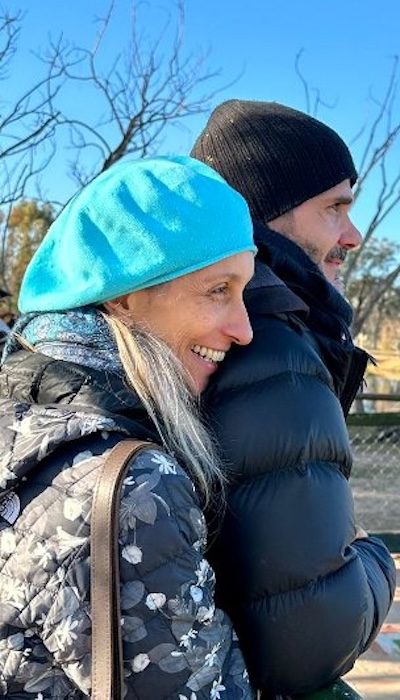
I live in the company of my two children and my husband, the love of my life.
My life alongside them is, probably, the deepest, the most fun, and the least planned of all my learning—and the one that no postgraduate degree can complete.
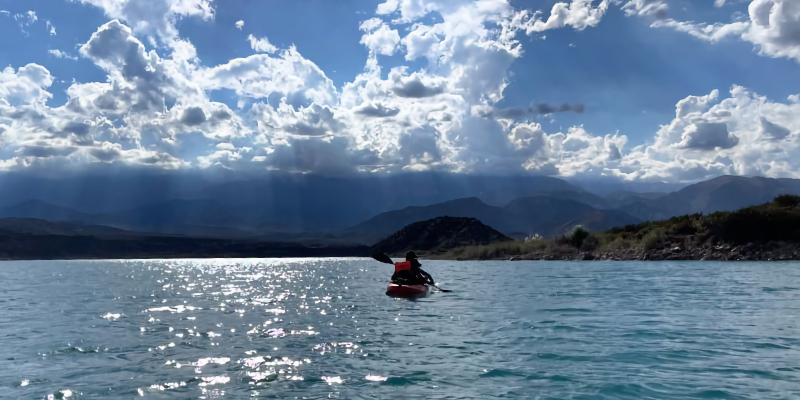
I have always been a seeker, since I was very young, and I hope to remain one.
In that search there are questions that have stayed with me for years: what transforms us, what makes a life come to feel truly one’s own, and how to learn to look with enough attention not to walk past it. The answers are always partial, and that is fine, because they open the way to new questions.
My work is not separate from that search, either: it is, to a large extent, the way I found to keep carrying it forward alongside others. And today, looking at all of this—my family with its love and its joy, the questions that are still looking for me, the work I chose—I feel, above all, grateful.
I live in the company of my two children and my husband, the love of my life. My life alongside them is, probably, the deepest, the most fun, and the least planned of all my learning—and the one that no postgraduate degree can complete.

I have always been a seeker, since I was very young, and I hope to remain one.
In that search there are questions that have stayed with me for years: what transforms us, what makes a life come to feel truly one’s own, and how to learn to look with enough attention not to walk past it. The answers are always partial, and that is fine, because they open the way to new questions.

My work is not separate from that search, either: it is, to a large extent, the way I found to keep carrying it forward alongside others. And today, looking at all of this—my family with its love and its joy, the questions that are still looking for me, the work I chose—I feel, above all, grateful.